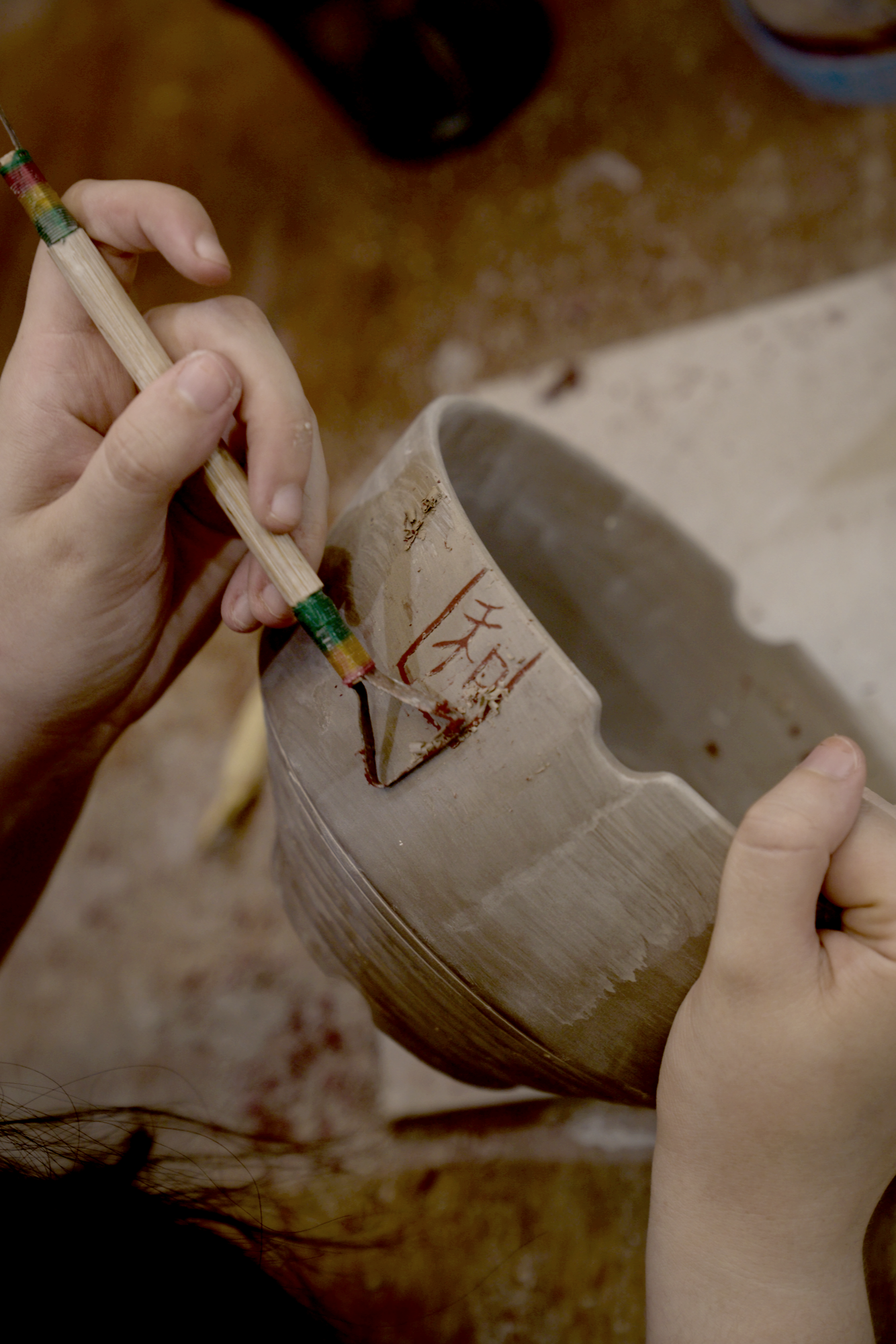
White ceramic tableware is often perceived as simple.
In practice, it is one of the most technically demanding categories in ceramic production. Without color, every aspect becomes visible: proportion, surface resolution, glaze consistency, and form accuracy. For a bespoke ceramics manufacturer, white functions as a reference point rather than a stylistic choice. At Kevala, white ceramic tableware reflects a commitment to consistency, precision, and long-term craftsmanship.
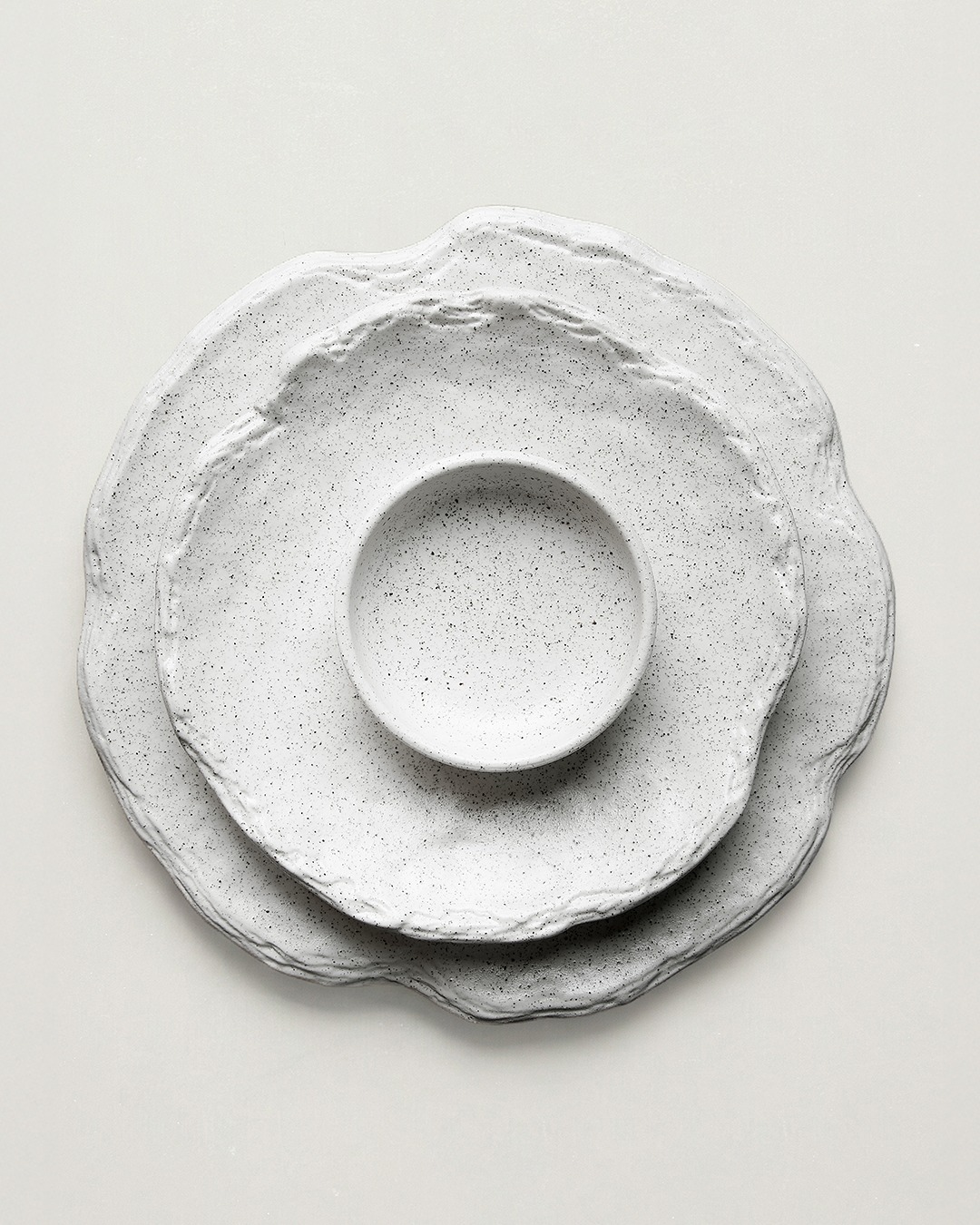
Why White Reveals True Craftsmanship
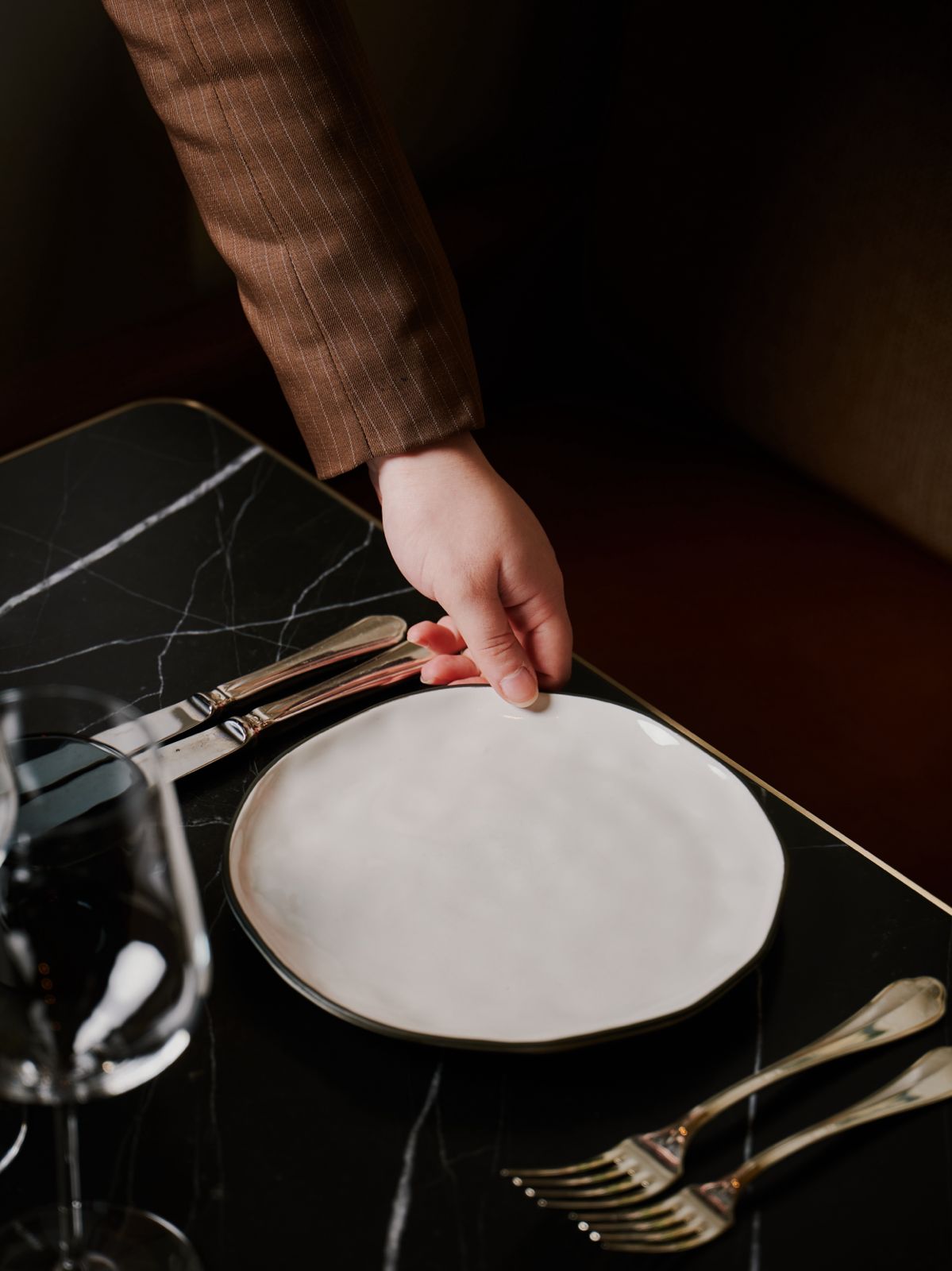
In ceramic production, color can soften visual inconsistencies. White does not. This is precisely why white ceramic tableware becomes a critical reference in bespoke hospitality projects. When pieces are developed specifically for a restaurant or hotel, white exposes whether form, surface, and glaze can be reproduced consistently across a custom production run. For a bespoke ceramics manufacturer, this level of consistency is not achieved through standardization, but through process control refining form, glaze, and firing to meet the demands of each project. White allows the quality of custom ceramic tableware to remain visible, ensuring that every piece performs in use without competing with cuisine or spatial design.
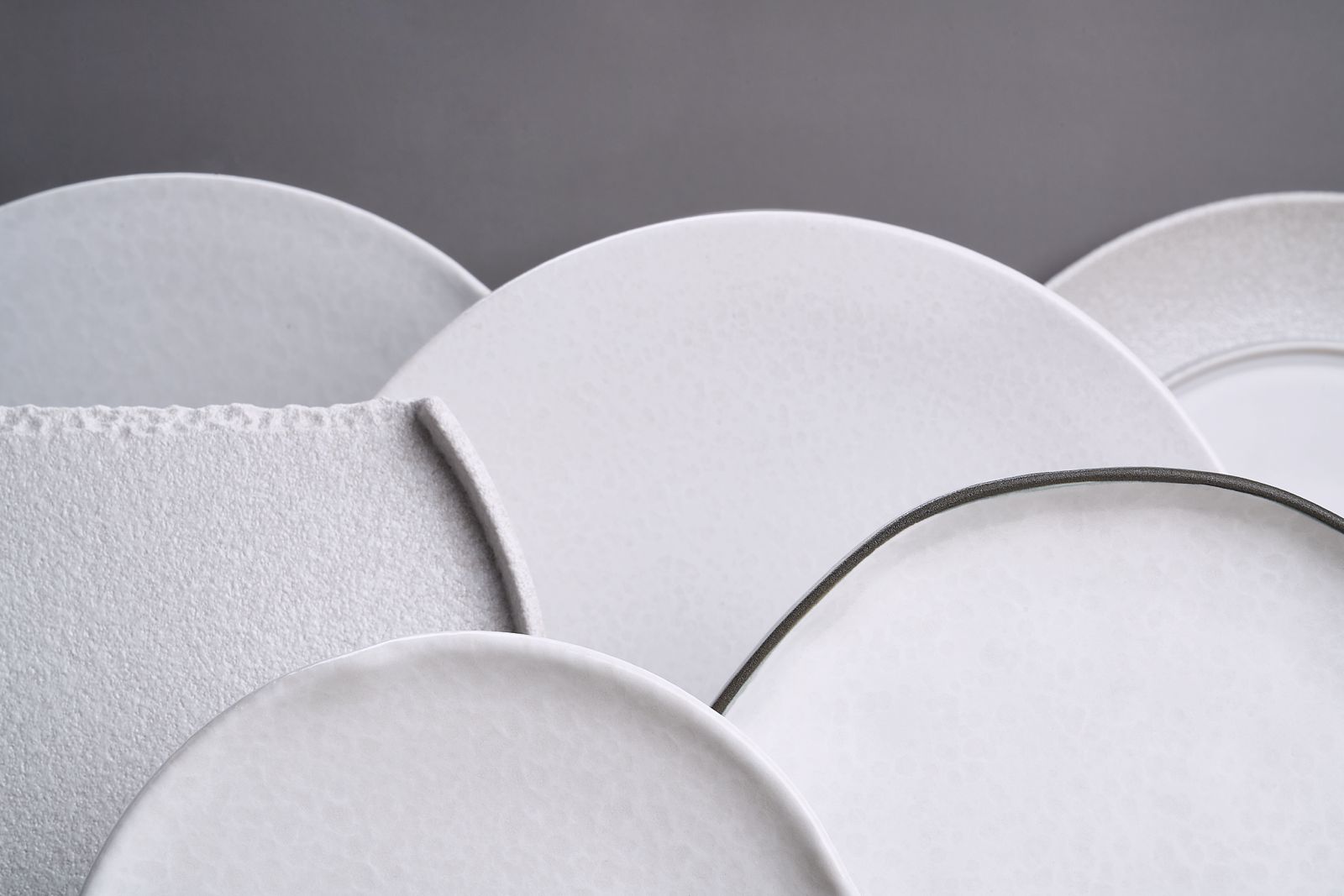
Consistency Matters More Than Trends
Design trends evolve quickly. Color forecasts, including those released by Pantone, provide cultural reference points, but they are inherently temporary. In luxury ceramics, particularly within hospitality, consistency is operational rather than conceptual. Custom tableware must remain reliable across changing menus, service styles, and interior updates often over multiple years of use. White ceramic tableware makes this requirement visible. It reveals whether form, surface, and glaze can remain consistent over time, rather than responding to short-term visual trends.
White as a Bespoke Ceramic Language
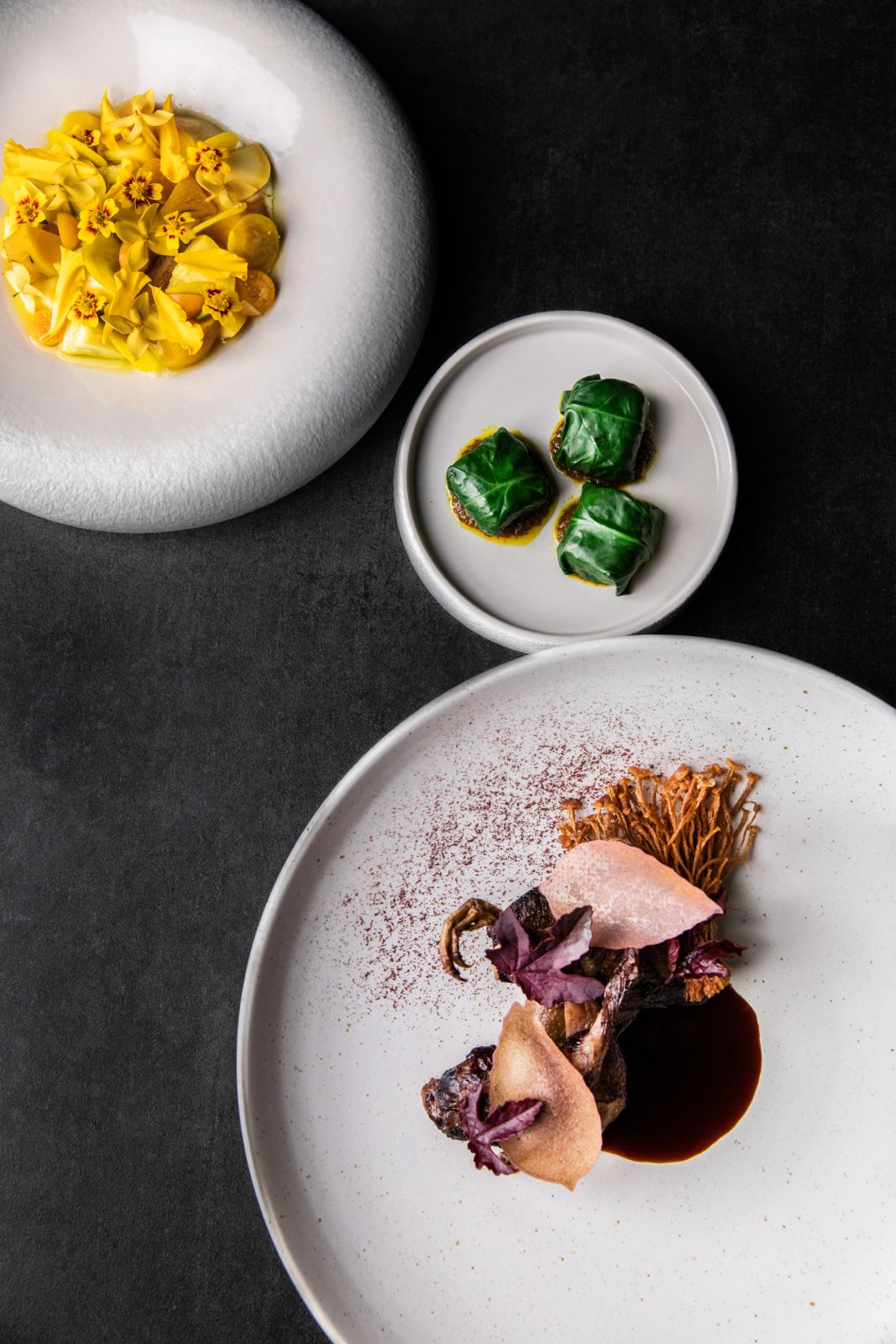
White is not a single color. Variations in glaze thickness, texture, translucency, and form influence how custom ceramic tableware interacts with light, food, and space. In bespoke ceramic production, these variables are adjusted to suit each hospitality project rather than standardized across collections. Through this process, white becomes a controlled design language defined by precision, repeatability, and contextual use.
White Ceramics in Hospitality Design
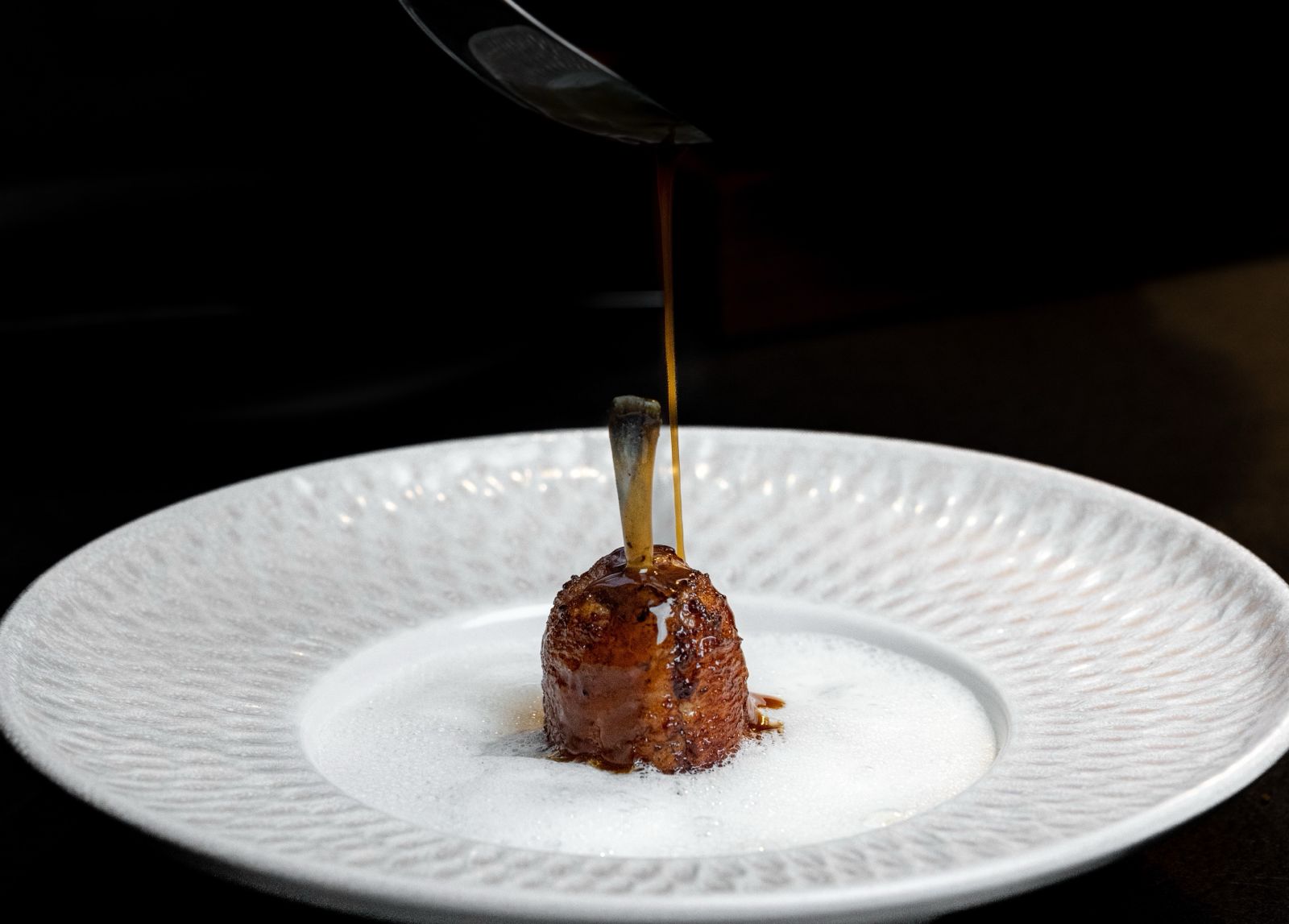
In hospitality design, white ceramic tableware provides a stable visual framework across different cuisines and service formats. Because it does not impose a dominant aesthetic, it allows chefs and designers to adapt presentation without replacing core tableware systems. For this reason, white continues to be a foundation in hospitality ceramics trusted across restaurants and hotels where custom pieces must perform consistently across daily service and long-term use.
Timeless by Design
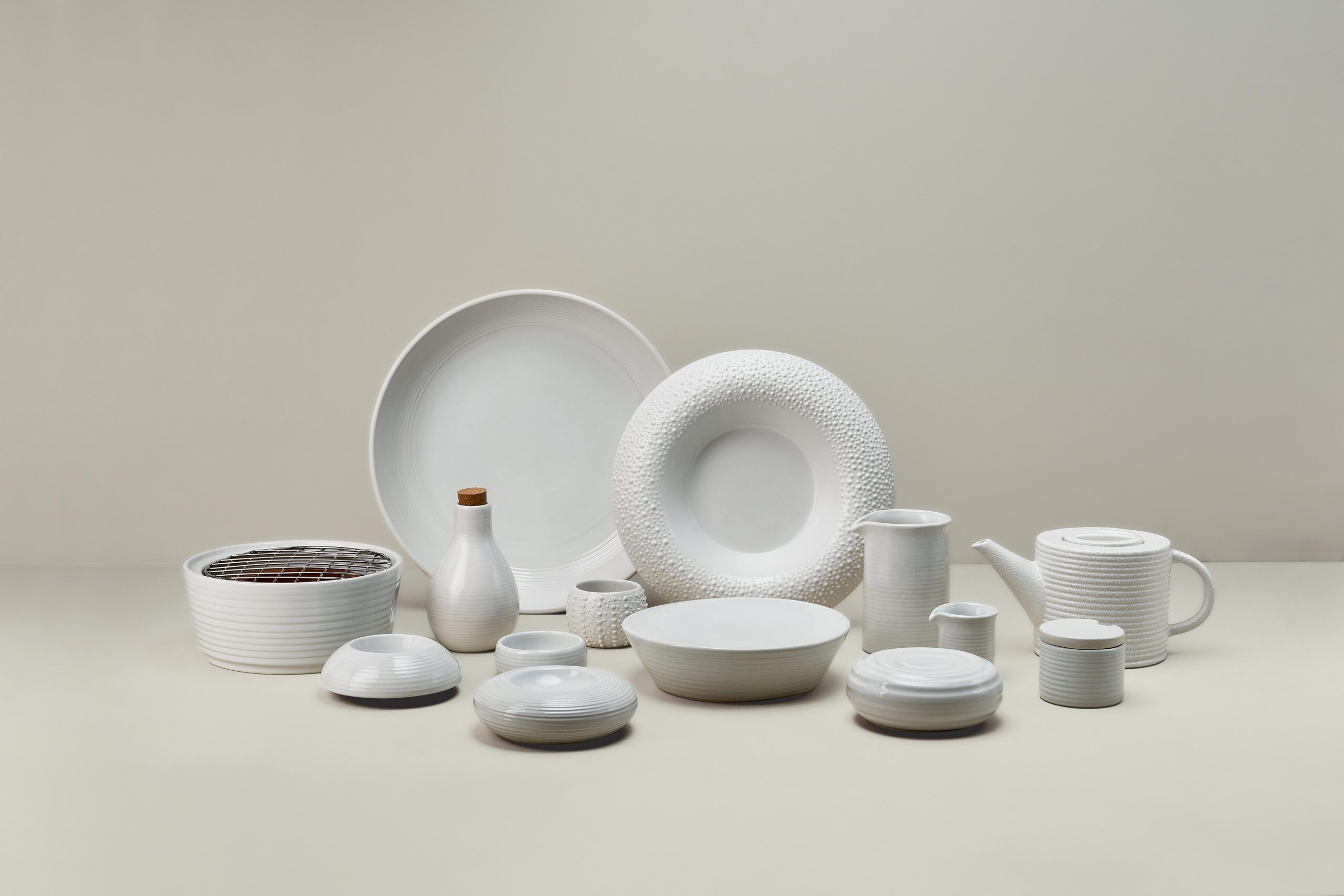
White ceramics endure because they are process-driven rather than trend-led. Their longevity depends on material control, production consistency, and functional clarity. When executed well, white ceramic tableware remains relevant regardless of changing visual preferences. At Kevala, this approach defines how luxury ceramics are developed through consistency in design, production, and use.
Discuss a bespoke ceramic project shaped with long-term consistency in mind. Connect with Us